


Dieser Schuh fällt größengetreu aus
Die beste Orientierung für die Größe Ihrer neuen Freet-Schuhe ist, mit Ihrer üblichen Schuhgröße zu beginnen. Überlegen Sie, ob Sie immer diese Größe nehmen oder manchmal kleiner oder größer wählen.
Rückmeldungen unserer Kundinnen und Kunden zeigen, dass dieses Modell größengetreu ausfällt; bestelle also deine normale Größe.
Unsere Schuhe werden ursprünglich in EU-Größen produziert. Alle UK- & US-Größen sind die nächstliegenden Umrechnungen. Wenn du also deine EU-Größe kennst, kannst du dich vorzugsweise daran orientieren.
Die angegebenen Längen sind die Einlegesohlenlängen. Die tatsächliche Schuhlänge ist 2–3 mm länger. Die Breiten werden über den Flexpunkt der Einlegesohle gemessen. Die tatsächliche Breite des Schuhs ist an jeder Seite 2–4 mm größer.
Erwachsene
| EINLEGESOHENLÄNGE | BREITE | EU | Vereinigtes Königreich | USA |
| 236 mm | 88 mm | 37 | 4 | W 6 |
| 243 mm | 90mm | 38 | 5 | W 7 |
| 249 mm | 92mm | 39 | 6 | W 7.5 |
| 255mm | 94mm | 40 | 6,5 | W 8.5 |
| 262 mm | 96 mm | 41 | 7 | W 9.5 / M 8 |
| 269 mm | 99 mm | 42 | 8 | W 10 / M 8.5 |
| 276 mm | 102mm | 43 | 9 | W 11 / M 9.5 |
| 183mm | 104mm | 44 | 9,5 | M 10 |
| 289mm | 107mm | 45 | 10 | M 11 |
| 295 mm | 109 mm | 46 | 11 | M 11.5 |
| 302 mm | 110 mm | 47 | 12 | M 12.5 |
| 310 mm | 113 mm | 48 | 12,5 | M 13 |
| 316 mm | 114mm | 49 | 13 | M 14 |
Noch unsicher? Sie können Ihre Füße ausmessen – so geht’s.
Kinder
| EINLEGESOHENLÄNGE | BREITE | EU | Vereinigtes Königreich | USA |
| 165 mm | 74 mm | 25 | 7,5 | 8.5 |
| 170mm | 76 mm | 26 | 8.5 | 9 |
| 176 mm | 77 mm | 27 | 9 | 10,5 |
| 183 mm | 79 mm | 28 | 10 | 11 |
| 189 mm | 80 mm | 29 | 11 | 12 |
| 195 mm | 82 mm | 30 | 11,5 | 13 |
| 206 mm | 83mm | 31 | 12,5 | 1 |
| 212 mm | 84mm | 32 | 13,5 | 1,5 |
| 218 mm | 85 mm | 33 | 1 | 2 |
| 223mm | 87 mm | 34 | 1,5 | 3 |
| 228mm | 88 mm | 35 | 2,5 | 3,5 |
| 234 mm | 90mm | 36 | 3,5 | 4,5 |
| 240 mm | 92mm | 37 | 4 | 5 |
| 246mm | 94mm | 38 | 5 | 6 |
Noch unsicher? Sie können Ihre Füße ausmessen – so geht’s.

Geeignet für:

Wichtige Merkmale:

Nachhaltigkeit:

Freet Fit
Breite Zehenbox, Nullsprengung, flexibel
Grip
Wasserdichtigkeit:
Obermaterial
Futter:
Verbindung & Komfort
Einlegesohle:
Mittelsohle:
PRODUKTDETAILS
Über Ibex
- Ganzjähriger Leder-Barfußstiefel, geeignet für Wanderungen auf und abseits der Wege
- HillGrip-Laufsohle mit einem tieferen Stollenprofil für besseren Grip auf weicheren Trails
- Entwickelt, um Sie bequem, trocken und geschützt zu halten, während Sie sich natürlicher bewegen
Sohlendicke:
Gewicht:
NACHHALTIGKEIT
GRÖSSE & PASSFORM
PFLEGEHINWEISE
Initially great but 18 months of intermittent use, my feet get wet in wet grass. I have maintained them and conditioned the leather regularly but the seams are a weak point despite regular repairs. It would be much better with a stitched seam. Really comfortable though, just maybe stick to dry walks.
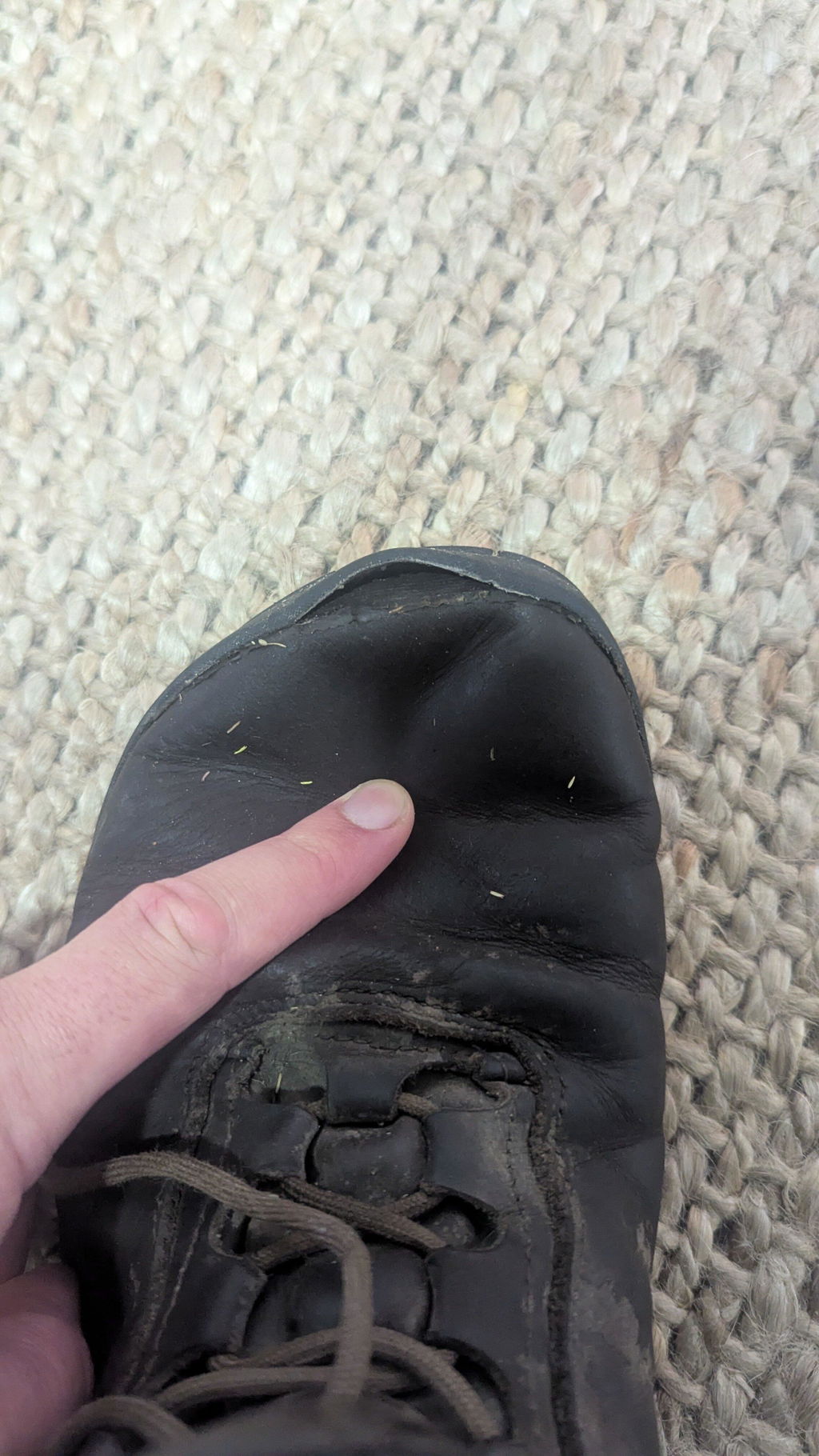
Loved these and wore them a lot, really comfortable and great for wearing on walks through dewy grass as they were properly watertight. But about 8 months after I bought them they started leaking in water at the join between sole and upper (see pics) then on the other foot. Now I can’t wear them in any damp conditions as my feet get wet straight away.
Sadly disappointed. If anyone has any suggestions as to how I can mend them please let me know.
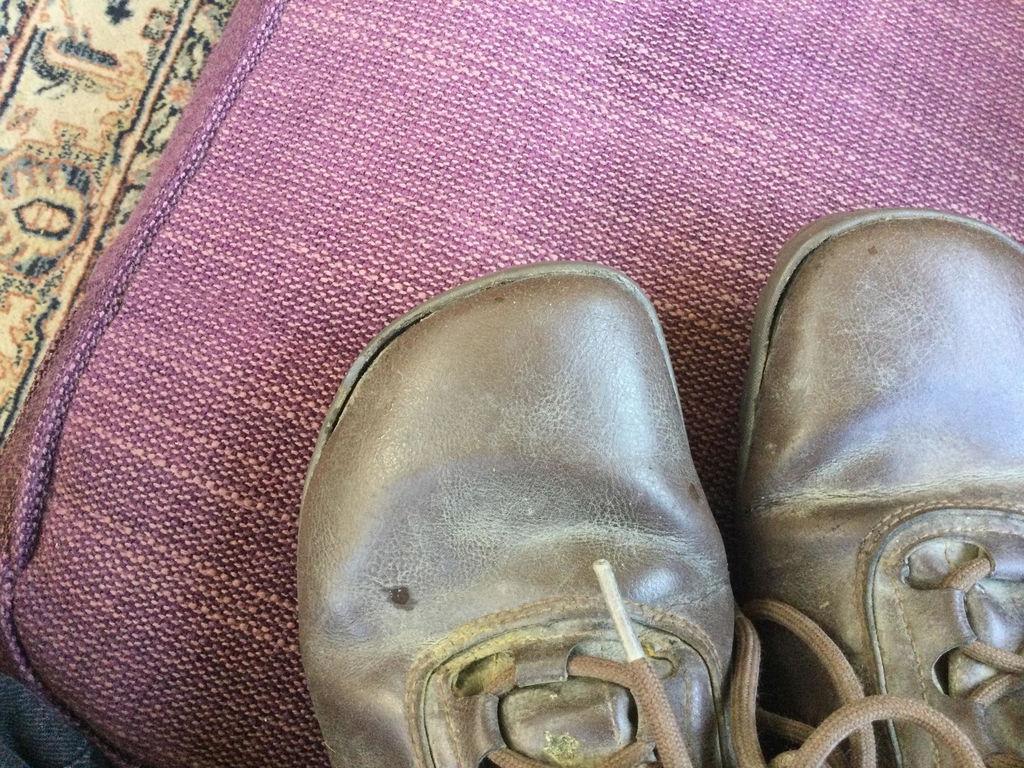
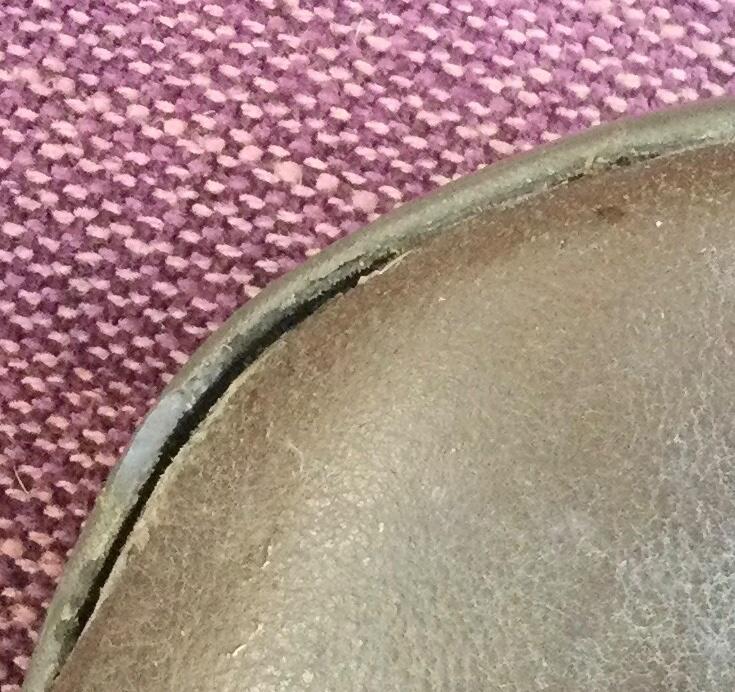
This is my 3 pair of Ibex - why?
Because i never had any better fitting and comfortabel shoes.
I even go hunting with them.
Das Positive zuerst:
Der Schuh ist bequem und ich trage ihn gerne, denn er lässt viel Platz für meinen Fuß und ist schön flexibel
Ich habe dieses Modell vor ca genau 2 Jahren gekauft und seither viel getragen.
Die Laufsohle ist von der Gummimischung für meinen Geschmack etwas zu hart und damit zu rutschig👎🏻, gerade was feuchte/nasse Bedingungen betrifft, das machen andere Mitbewerber besser.
Leider ist die Haltbarkeit deutlich zu schlecht!
Schon nach ca 12 Monaten begann sich die Verklebung am Übergang Schuhschaftleder/Gummisohle zu lösen und ich musste schon mehrmals nachkleben!!!👎🏻
Jetzt musste ich entdecken, dass innen om Fersenbereich sich das Innenfutter schon teilweise aufgelöst hat…..👎🏻
Alles in Allem bin ich für den Preis, was diese Schuhe kosten nicht zufrieden!
I have found the ibex boots to be a good performer on most terrain. Like all barefoots, pointy gravel can be painful especially if it is about 1-2 inches diameter. The downside is that they are fitted with a breathable membrane, which I prefer to do without in leather footwear. This reduces breathability but seems to have little ability to prevent water ingress. Treating the leather has improved the situation but I still need to wear sealskinz socks when it is going to be a wet walk. I accept that leather boots aren't 100% waterproof but what is the point of the membrane if it isn't keeping water out, even when the boots are new? My old Altberg boots with no membrane (over 10 years old and resoled once so far) are far more waterproof.
Really pleased with the boots. I would have given 5 stars but I have only had them 2 weeks and so I haven’t had chance to judge their capabilities in hot or cold conditions, or have any idea of longevity.
This is my first pair of Freet's - I own several pairs of outdoor brands' shoes, but they are all too soft and fragile for real rocky mountain terrain, so I just wanted something sturdier. I still haven't put them to the mountain test, but gave them a good city walk to get used to them. First thing - they are sturdy and well-made, leather is thick and protective, they provide some insulation as well. The shoes are roomy - can accommodate medium to wide feet with hight volume, there is plenty of room for the rock plates (get the rock plates!), for thick socks, etc. They do run small though - don't, under any circumstance, go for your usual size, consult the chart - it's pretty informative and, after ordering two sizes larger than my usual one, they fit quite well. The heel pad doesn't rub and bruise, but the shoe in general needs some kind of breaking in before heading to the wilderness. After some time, they feel amazing and you won't feel them at all. Also, I would initially give it a good waterproof spray, even though they are waterproof, just to protect the leather from the elements.
Very comfortable and light weight
Awesome!!
I have been using my ibex boots for some days now. They are spacious and the sole is enough to keep my feet warm. I have noticed that water marks have appeared on the leather just above the sole, on both sides of the forefront. I think it´s sweat condensation! and my feet don´t sweat a lot... It´s a bit weird but if it keeps the moisture out I suppose it´s ok.
I have a few pairs of different freet boots and have been wearing them for a number of years. these are the best so far, they feel like a real hiking boot with the advantage of the bare foot feel. They also look like a traditional hiking boot so if this is your first transition into the world of barefoot shoes these are a great choice
Amazing shoes!!
If your feet get clammy easily, you will find the difference between Freet's microfibre material and the real leather is like night and day.
I previously owned the Tundra (which is the same boot except that it uses the "pretend" microfibre leather), but the sensation of clamminess on all but the very coldest winter days was unpleasant to the point where I simply never wore them. I am so glad I subsequently purchased the Ibex; they are by contrast very comfortable, without the issue I had experienced with the Tundra.
They are, as advertised, waterproof, and the tongue and gusset come up high enough that you can wear waterproof trousers over them and the rain will run off your trousers, onto the boot uppers and your feet will stay dry. I have not found this to be the case with the Mudee, as they come up less high on the ankle, so the rain runs off the trousers and inside the shoes.
I hope my experience helps you if you are unsure about which boot to go for. I have found Freet to be helpful when I have needed support and advice and would not hesitate to buy from them again.
I wasn't familiar with this brand but stumbled upon it while researching barefoot hiking boots online. I followed the site's suggestion and ordered a size up compared to my usual. I think I could have ordered my normal size and still have been ok, but the size up is also still totally fine. The laces cinch down well and keep the boots in place, and I have tons of room to move and flex my toes while hiking. SUPER lightweight as well, making them perfect for long hikes AND suitcase-friendly! The sides around the ankle are slightly rigid, no problem for normal ankles but my right ankle has a large scar from a break and the pressure can be uncomfortable with certain movements - I expect this to improve with wear as they break in though. Overall super satisfied!
They are just perfect for hiking.
Best barefoot winter shoes have ever wear. highly suggested.
Handling was perfect. Shoes had to be broken in and now fit perfectly
The ibex is a great shoe for daily walks and is build very well. Take some time to let the shoe adjust to your feet, after 1-2 weeks they are becoming even more comfortable. The sizing guidelines are on spot and my feet size 25.5 cm 95 mm fits the recommended (add 0.5 to 1 cm to measured length) EU-size 42 perfectly. Highly recommended.
Comfortable, light, warm - the perfect boot. Great on long walks with the dogs but also good for work. I may never take them off.
Like wearing slippers
Nice shoes!
Super comfy and waterproof, would definitely buy again 😊
They were comfortable straight away without have to break them in. I am very pleased with them
These boots are the absolute best! I own several different brands of barefoot shoes and these are by far the best. They are made of great quality materials with obvious pride in craftmanship. I've been wearing these for a few weeks now and no longer have interest in my other shoes. Plenty of room for the toes even with correct toes on. Love the flexibility and simple look and wearing these has greatly decreased my chronic foot pain. My favorite shoes ever, I highly recommend and will be buying more shoes from Freet!
Fantastic shoe. I ordered 40 though really I should wear a 39, because I wanted to be able to wear two pairs of thick socks. The fit is quite good when I'm wearing two pairs. I can also add a pair of toe spacers between the two pairs (toe socks; spacers; conventional socks over the top of the spacers). And I have really wide feet! It's amazing to me that these fit so great on my squarish, 23.5 cm long, 10 cm wide feet. I also like the gusseted tongue. I live in the US Pacific Northwest, and it's rainy, muddy, snowy and icy here in the winter (and spring too). I haven't experienced any water intrusion at all while hiking in these Ibex. I did treat the leather with a wax/oil combo before first wear, and I continue to renew this treatment every time I clean the boots, so that helps. Loads of miles in these (getting near 200 miles) and I still see no signs of wear on the soles. Nice lugs hold well in snow, slush and mud. The only condition where they don't hold so well is sheer flat ice, but I think only microspikes help there. Great shoe, and I hope to wear these for years to come. Bravo Freet!
The wearing to death of a pair of Freet Ibex: aka Land's End to Cape Wrath
It's not often you get the chance to know exactly how far a pair of boots have travelled, so here is a very long review covering a journey I undertook with my Freet Ibex from March - June 2022. I bought them about 2 weeks before setting off so they were virtually brand new at mile 0. For context I'd been exclusively wearing barefoot trainers for about 2 years prior to this. I've put the same review on my own website with photos (couldn't see a way to add them here) http://www.stripeyhat.co.uk/pages/resources/freetibexreview.html
Week 1, 50 miles: We (my Ibex and I) set off along the Cornish coast path. My toes are dry cosy and warm with plenty of wriggle room. The boots feel reassuringly chunky (in comparison to barefoot trainers) and well made but the ground feel is still good. My ankles are less happy and after a few days the very top rim of the boot seems to be cutting into my skin, causing a thin line of bruising and swelling where the leather of the outer boot meets the liner. I undo the laces and buy some dish cloths for padding and soldier on but it is tough. Near the end of the week, with the leather showing no sign of softening, I remember that on my last boots I'd used a different style of lacing to get round a similar issue (so maybe the point of this story is that my ankles are oddly shaped, rather than there being anything wrong with the shoes!). If anyone has a similar issue the magic trick is to lace the top two cleats the wrong way round. So go up to the top one first, then back down to the second. Your laces with look crossed and the top rim of the boot will sit a little looser.
Week 2, 130 miles: Storms pass through and there is plenty of mud to slip and slide and squelch around in but the feet remain dry and my ankle bruises are healing. On one beautiful sunny morning I pull out the dish cloths, lace them up fully (via the method described above) and never look back. Later on the same day I get my right foot wrapped in a bramble and go flying. The thorns cut three scores into the leather of the boot, one of which is quite deep. This is a chance to reflect that, because the leather is fairly thin soft and flexible and everything that you want for a barefoot feel, it's never going to be as hardwearing and tough as a 'normal” boot.
Week 3, 225 miles: I turn inland and have one full day on tarmac for which I have brought with me a pair of the 6mm ortholite insoles which I'm pleased to report work very well. You still get decent ground feel but they noticeably soften the combination of a heavy rucksack and a solid road.
Week 4, 315 miles: Nearing Bristol I spend a few days walking through long grassy fields soaked in condensation and finally dampness makes its way in. Dampness is then quickly followed by soddeness, but it's been nearly a month of daily use with a few weeks of constant mud and ultimately I'm impressed the waterproofing has lasted this long. At the end of the week I have a few rest days with the chance to get the boots properly clean and dry and re-waxed.
Week 5, 440 miles: Up the Brecon Beacons I encounter my first mountainous terrain including frosty mornings and a small amount of snow. Happily the feet are warm and comfy throughout.
Week 6, 565 miles: The bogs of central Wales are officially too much for the boots. I have several days of saturated feet, followed by a night in a bothy where I do some (in hindsight) overly aggressive drying by the fire and manage to roast the leather somewhat. The following day those old bramble scores have deepened and the boots feel distinctly crispy… I cross the Aranau (900m summits) and am pleased to report that the grip remains good. This next point is not specific to the Ibex but since starting to wear barefoot shoes I've found that my balance on difficult mountainous paths has noticeably improved, particularly on the descent where the zero-drop makes a big difference and I'm able to walk much faster and more confidently.
Week 7, 665 miles: I rack up some very long days on canal paths. The Ortholite insoles are back in and proving their worth once again, though a few days of lumpy and hard baked mud are tough on the soles. Most of the ground is dry but I do find that whenever I'm in wet grass the water is starting to seep in much more easily than before.
Week 8, 700 miles: Up the Pennine Way it now rains pretty solidly for 2 weeks and the ground alternates between hard tracks and deep bogs. Both are tough with my soles becoming bruised even with the extra insoles, and the boots pretty much constantly damp. The edge of the sole is starting to separate very slightly from the leather at the toe of the left boot and water is coming in quite freely here, as it is also on the right where the leather is cracked.
Week 9, 780 miles: I have a very sad moment sitting on top of Cross Fell where I realise that what started as a bramble scratch, and then became a wel...